
Our Initiatives
Lorem ipsum dolor sit amet consectetur. Est tristique arcu eu blandit tempor rhoncus elementum consectetur volutpat. Orci libero ullamcorper at massa cursus ornare tortor dictumst. Augue molestie metus scelerisque nulla vitae mattis lorem. Tortor nulla odio eget id porttitor pretium aenean accumsan diam. Lacinia dignissim amet amet nec integer sodales sed pellentesque ultrices. Parturient nunc urna nisl tortor vitae diam neque. Malesuada risus ullamcorper.
01.
Eco-social design
Eco-social design is an innovative approach that incorporates not only eco-design principles to reduce environmental impact but also social and human considerations into product design. Schott N.Y.C. is currently taking part in a project to study and implement eco-social design in the fashion industry, and we will share the results with you in the coming months. Our goal is to deepen our understanding of our products and measure and reduce their environmental and social impacts. By adopting this approach, we hope to help build a world where sustainability and social well-being are at the heart of innovation and progress.

02.
Traceability
Product traceability is at the heart of our Green Schott program. It allows us to verify the origin of our materials and check that our suppliers adhere to social and environmental standards. 100% of our tanneries are traceable and audited. We have introduced a digital passport for each product, accessible via a QR code on the composition label. This passport gives you insight into the product’s origin. Our goal over the next year is to extend traceability across all our products to tier 3 and provide you with information about their environmental footprint.
03.
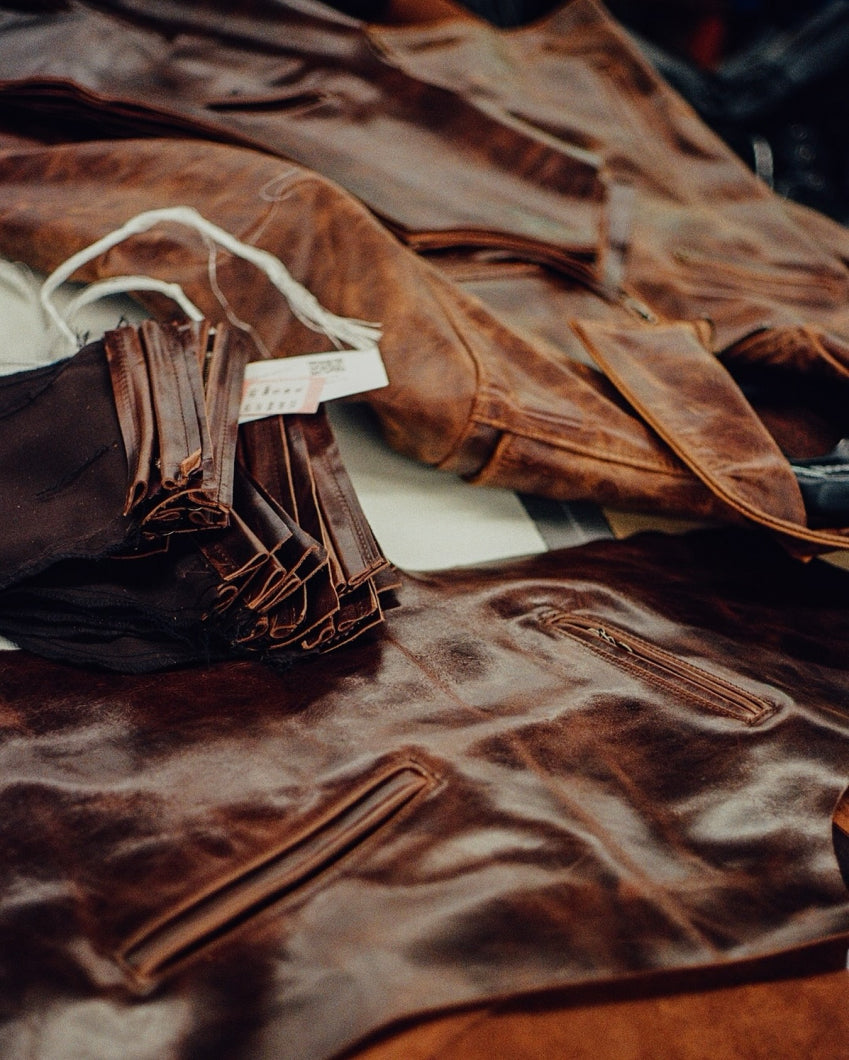
Leather Working Group-certified tanneries
Pair text with an image to highlight your chosen product, collection, or blog post. Add details about availability or style. You can even include a review.
04.
More sustainable textiles
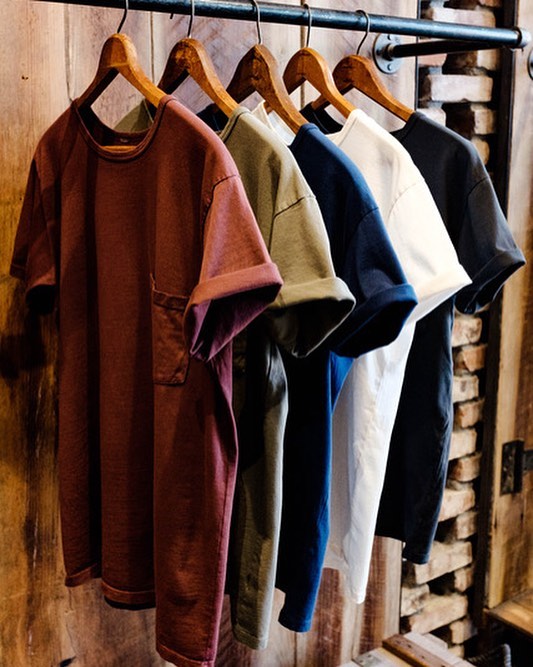
Organic Cotton: Our collection includes pieces made from certified organic cotton, grown without pesticides or chemical fertilizers that harm the environment. Organic cotton is grown sustainably, preserving soil biodiversity and reducing the carbon footprint of our production. TENCEL™ LYOCELL branded fibers by Lenzing AG: We also use TENCEL™ LYOCELL fibers made from wood pulp sourced from sustainably managed forests. The manufacturing process for tencel™ lyocell is environmentally responsible, using non-toxic solvents and recycling up to 99% of the water used in production.
05.
Eliminating virgin plastics made from fossil fuels
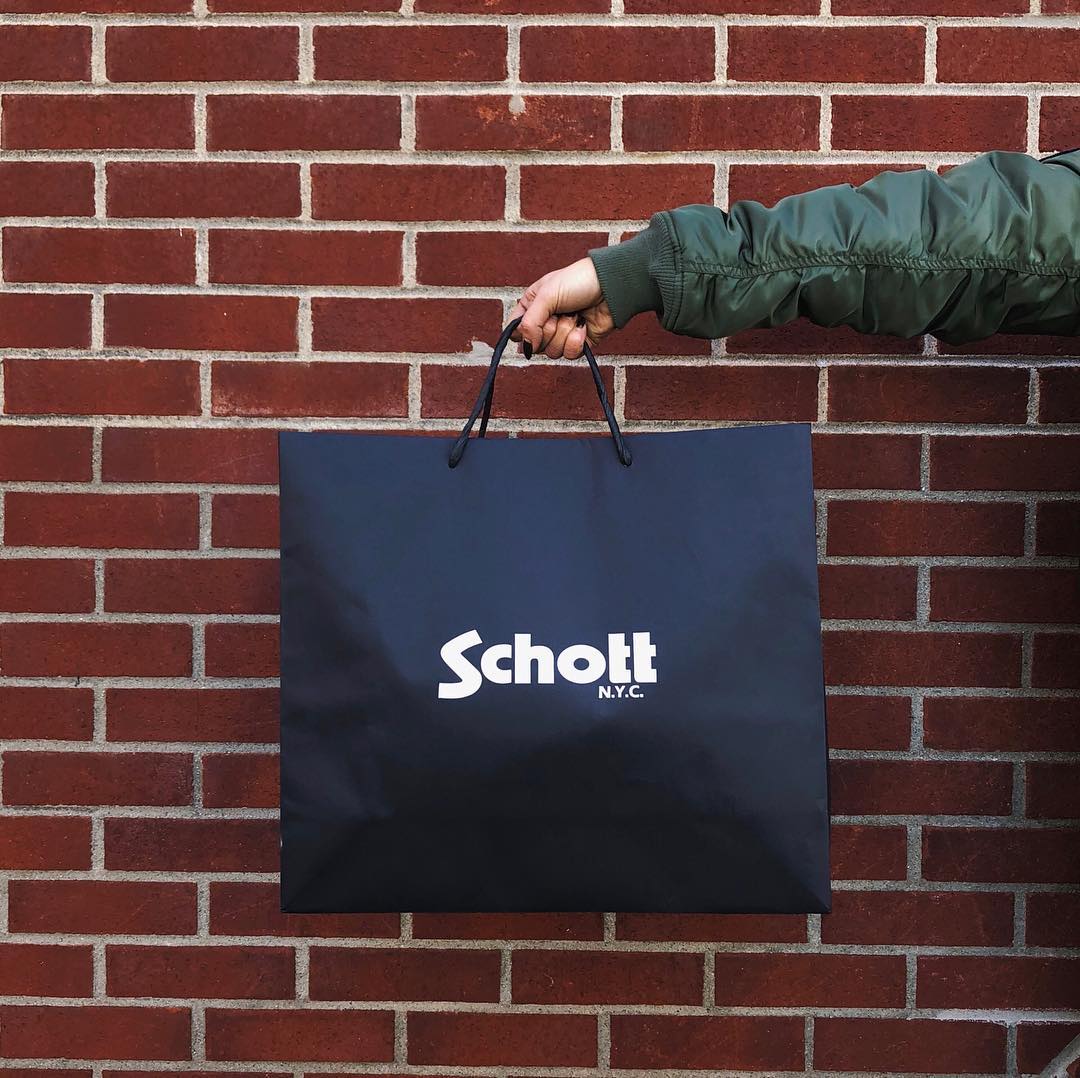
100% of our packaging is made from traceable, recycled materials, most of which are recyclable.

06.
Fighting deforestation
100% of our shipping boxes are made from recycled cardboard. 100% of the bags provided in our stores are made from recycled cardboard;
Monitoring our leather supply chain allows us to ensure that our hides do not come from areas at risk of deforestation.
07.
Our circular commitments
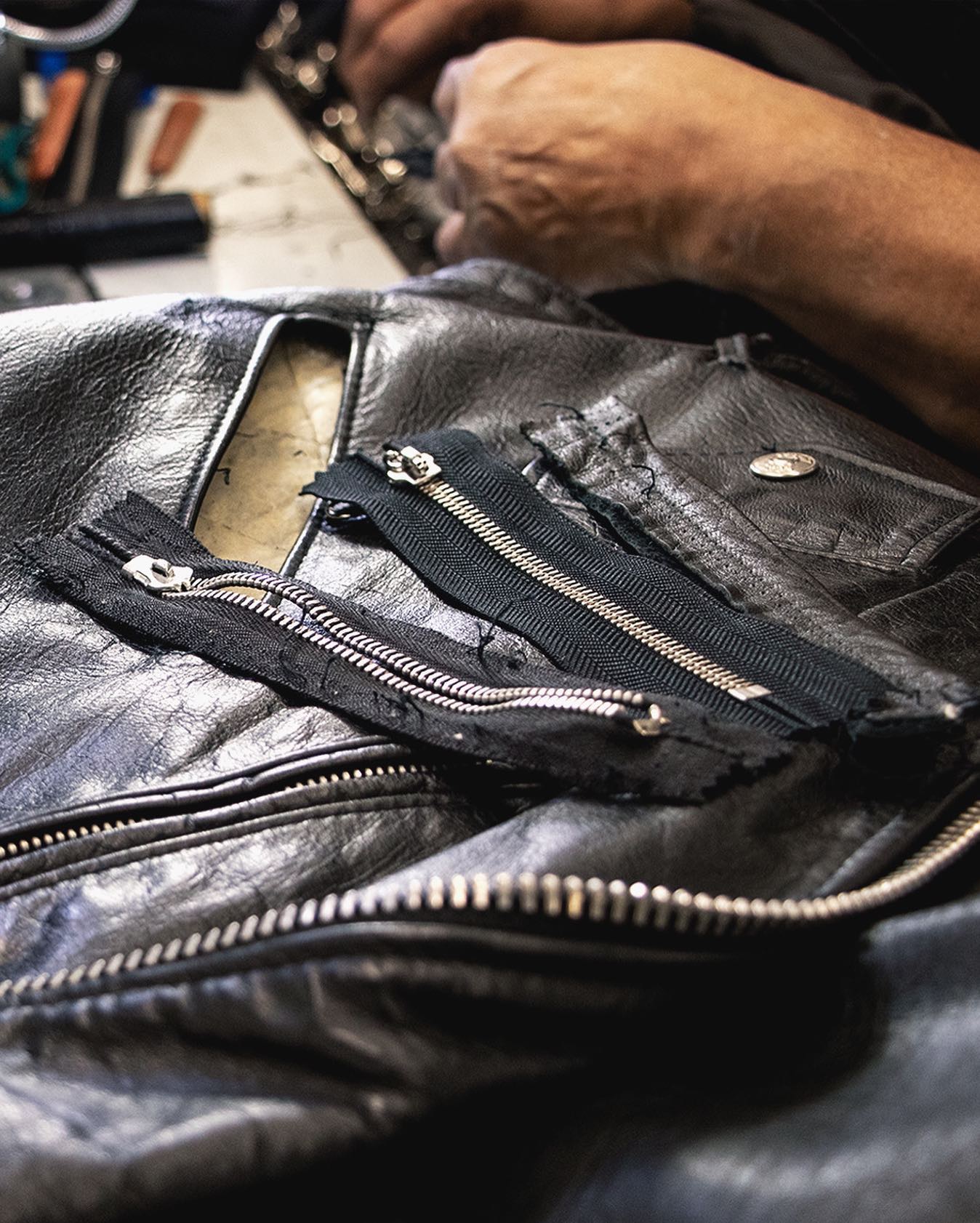
Relife: giving our defective products a second life. Relife is an initiative born from our desire to minimize the environmental impact of making new products by turning our defective products into a new resource. We have given our defective products a second life by recycling them into yarn: 4 tons of yarn have been produced through this recycling process in France. Upcycling: promoting creativity and encouraging a more environmentally responsible lifestyle. Our defective products that cannot enter a recycling stream, or that have already had a first life, still have value. We see them as an opportunity to create something new and worthwhile. Through our upcycling projects, we support artisans and designers who turn reclaimed materials into unique, innovative products.